ICE Movie Awards

THE INTERVIEW

October, 2026

NIYI ODUMOSU

DIRECTOR OF CODE OF SWITCH

BEST FIRST TIME DIRECTOR
Niyi, tell us a little about yourself. Where did your desire to become a filmmaker come from?
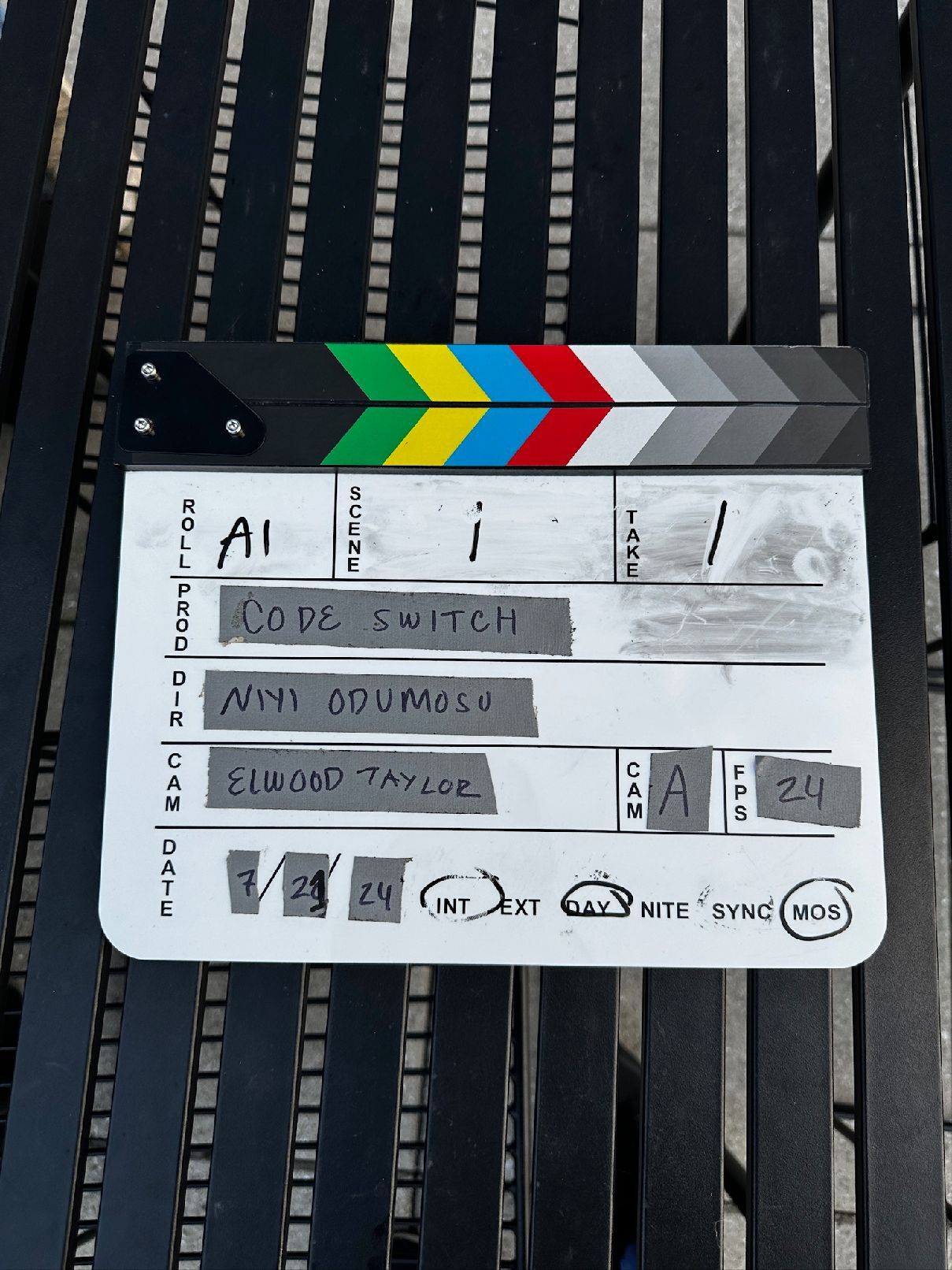
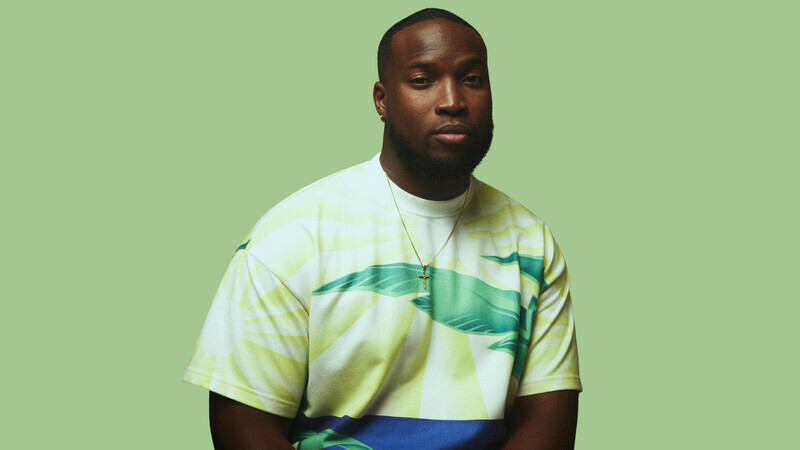
Niyi, tell us a little about yourself. Where did your desire to become a filmmaker come from? So I am a self-taught filmmaker based in Atlanta, GA. In 2020, one of my best friends challenged me to write a screenplay based on our boarding school experience. At first, it started off as a dare. Then COVID happened, and I had nothing but excess time to write. Soon afterwards, I discovered my passion for storytelling while writing that 1st script. Since then, I have developed my craft as a writer and have explored a new love for directing.

What is your background?

I was born and raised in Trenton, New Jersey, to two wonderful Nigerian immigrants. Trenton is similar to the “banlieues” in France. There isn’t much opportunity there, but the local community has lots of talent and promise. Today, I am a product of a wonderful family, a tough but nurturing community, and God’s grace.

What were your references for Code Switch?
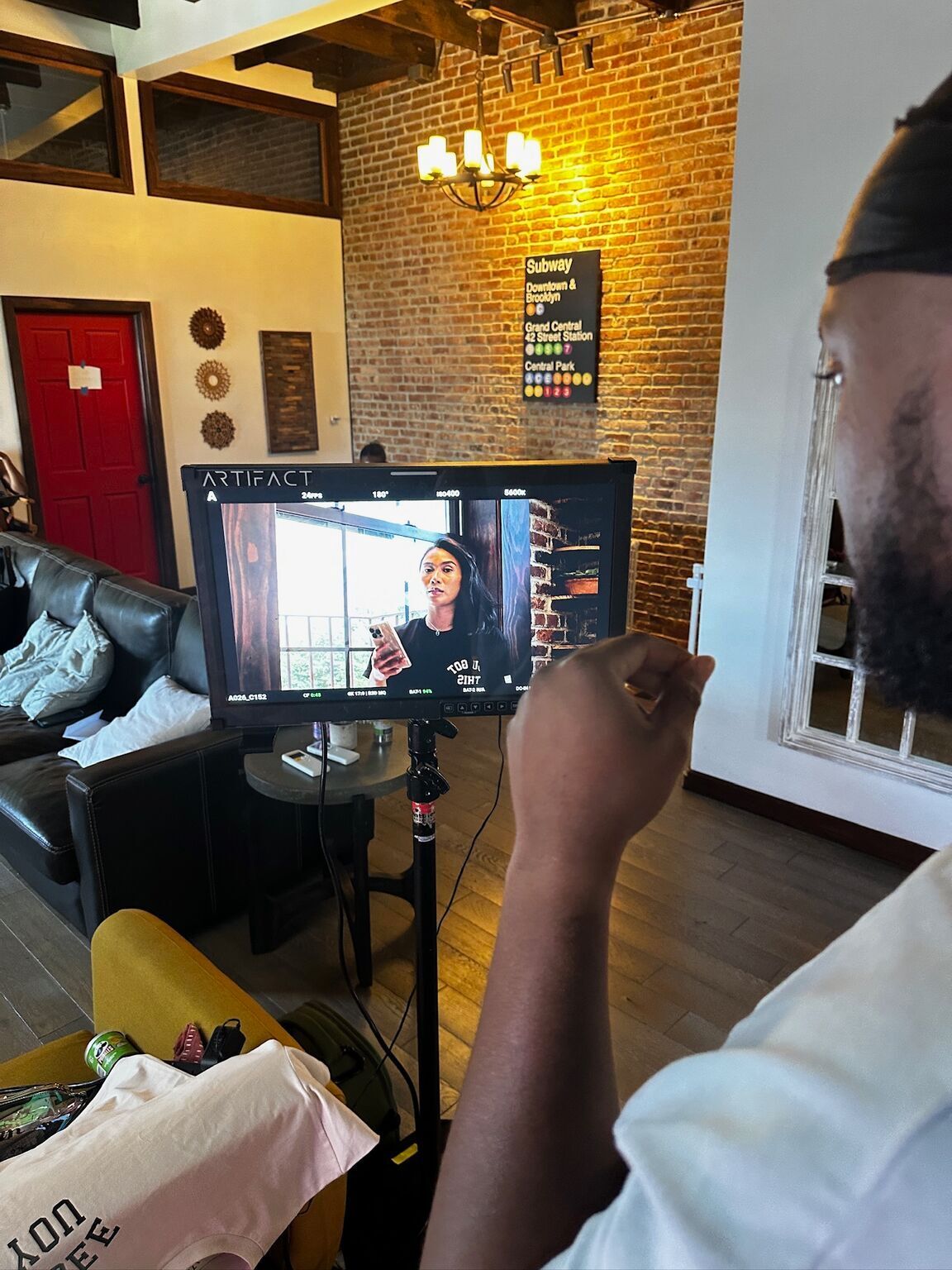
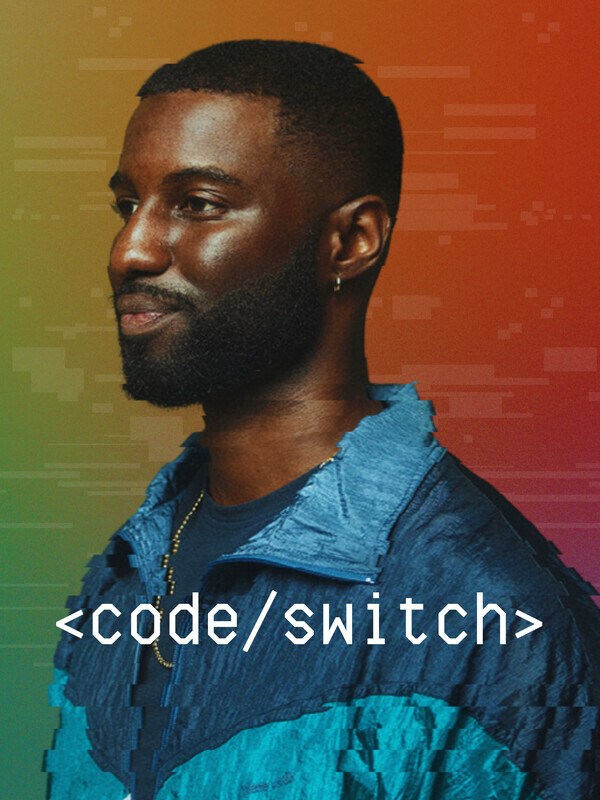
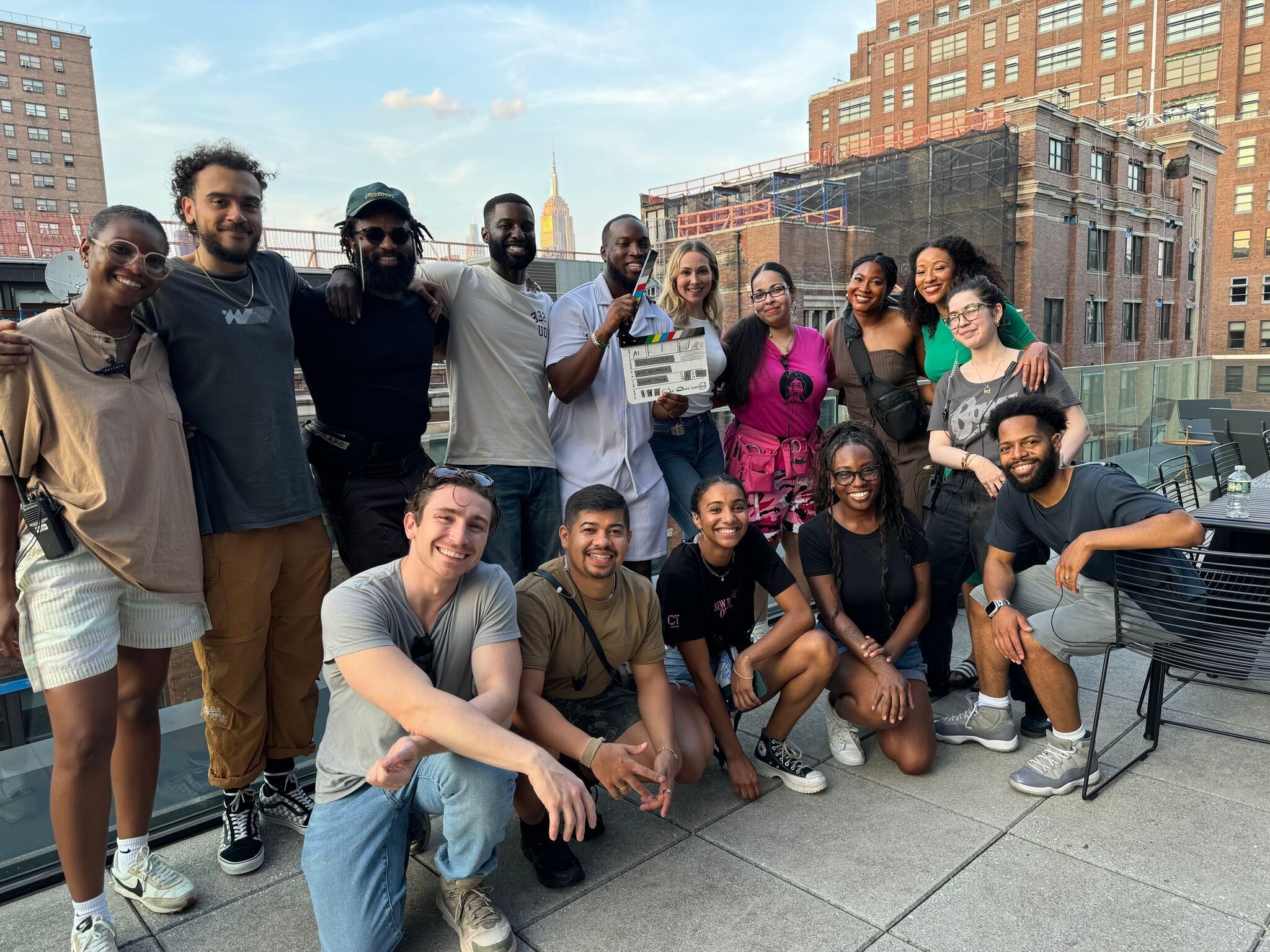
I grew up in a culturally West African home where Nigerian cultures and norms were practiced daily. But when I went outside, I was in an American society. This created a duality in me where I would acquiesce to the environment around me. As I grew older, I not only noticed how I would adjust myself in different spaces, but I saw others do the same. I realized everyone has different sides, and they switch between them based on the company they are around. This laid the foundation for Code Switch.

You won an award at the RED Movie Awards; what does that mean to you?
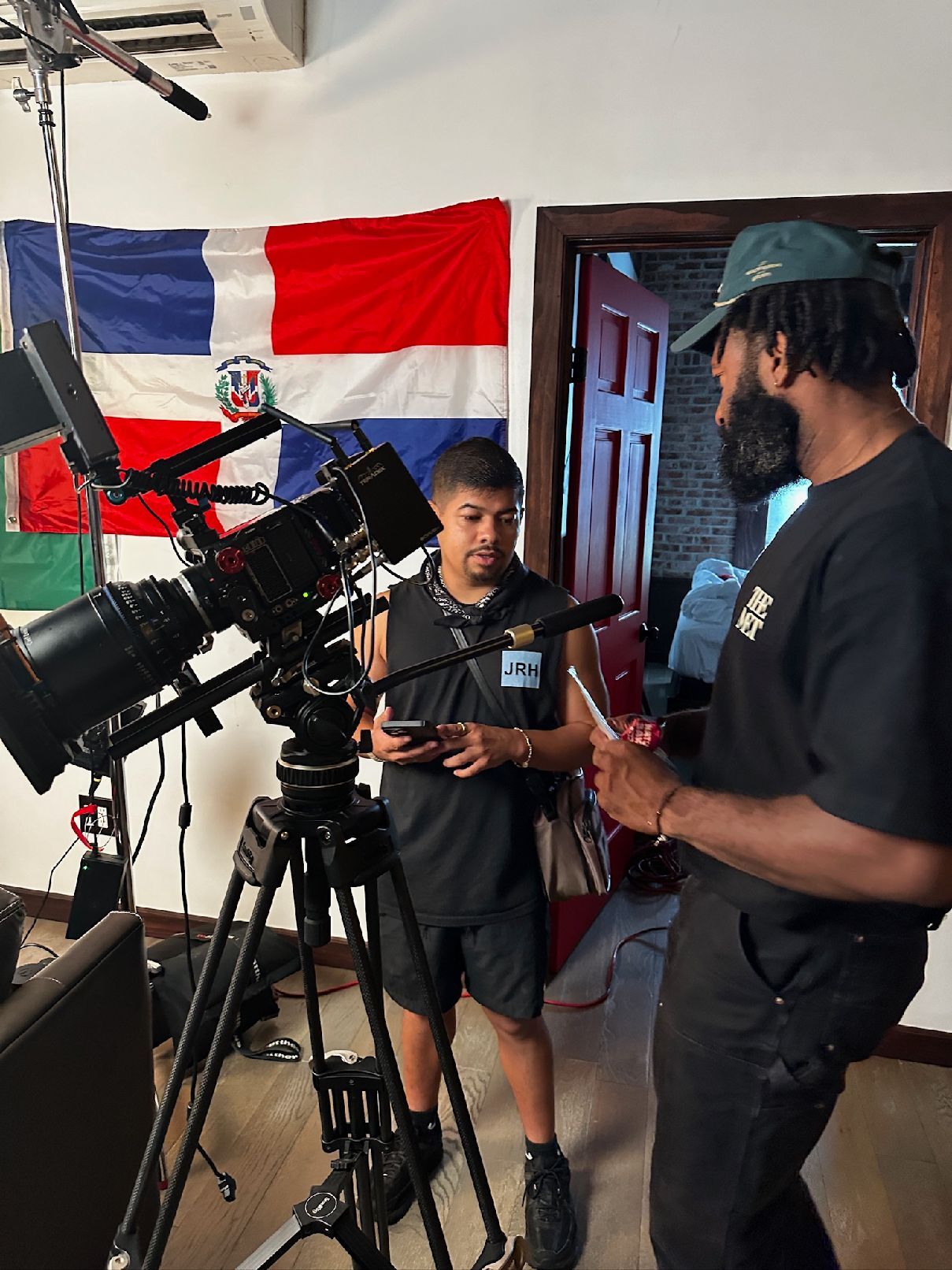
To win Best 1st Time Director means a lot to me! It took so much energy, determination, resources, and grit to make this film. Getting any kind of recognition, let alone an award for Best 1st Time Director, just further validated that the time and effort it took to make this film was not in vain. I also want to recognize the other high-quality films that were nominated for the same category. This is my first film award, but I pray it won’t be my last.
Jide is navigating the tension between his professional identity and his authentic self. How much of your own experience in the tech industry found its way into the character?
I have worked in Corporate America for over 12 years. I currently work as a Solutions Engineer. That’s a fancy title for tech sales, where I help our customers adopt our software products. I have spent years in the startup world, and I know the technical terminology inside and out. So I infused that language into the dialogue between Jide and his boss Casey. I also leveraged my experience as I wrote the work scenes between Jide and his co-worker Tanya. Working in sales puts me in front of many different personalities. What I say to the person in front of me is not always what I think. Hence, the voice-overs! In short, the film is a classic example of art imitating life.

You describe yourself as a technologist by day and a filmmaker by night. How do these two worlds influence each other in your creative process?
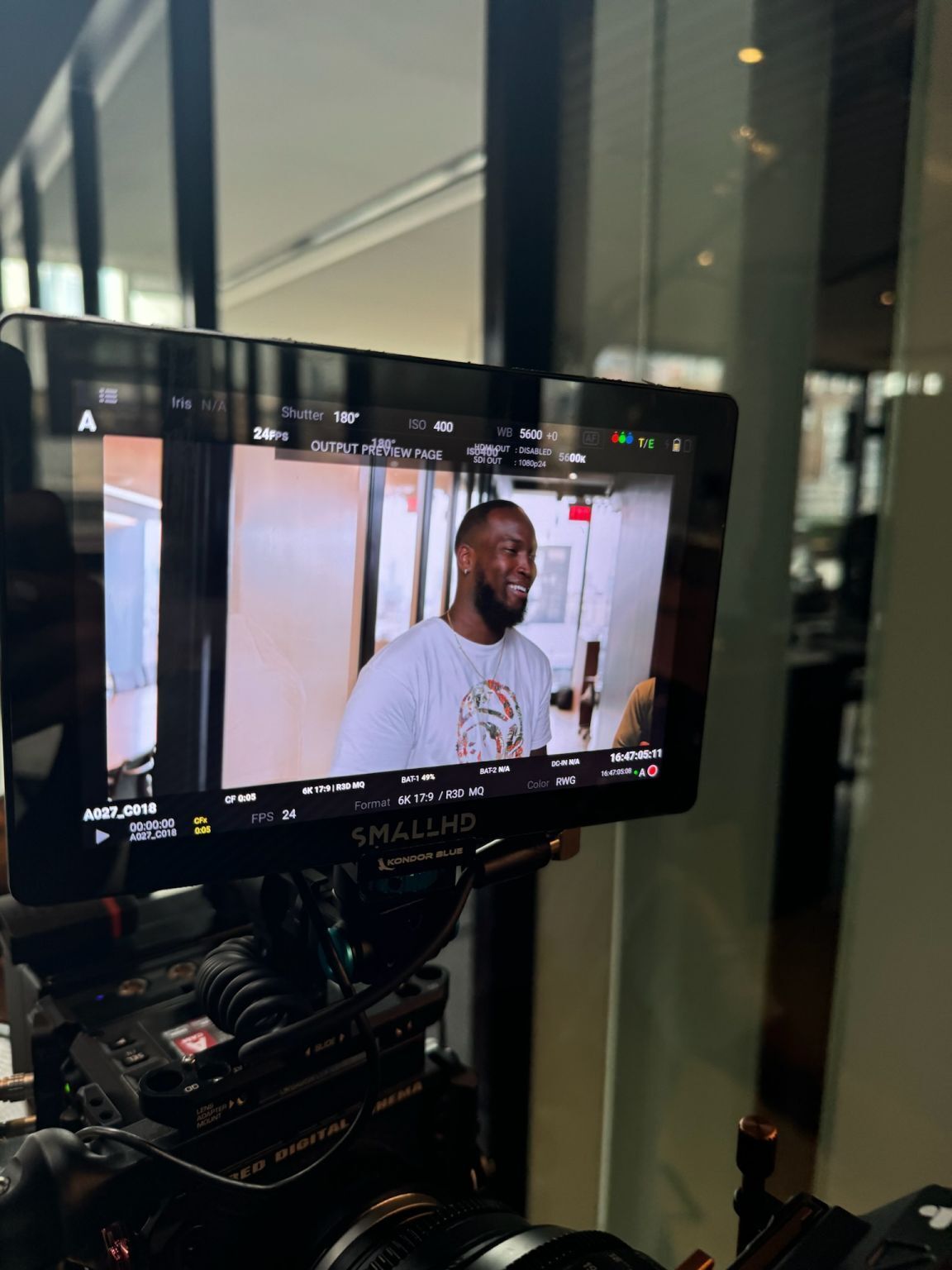
My profession as a technologist and my path as an emerging filmmaker actually complement each other more than one would think. As a techie/engineer, I get paid to problem-solve. I have to identify the problems, the pain points, and design a solution that works for the customer. As a creative, once I have an idea in my head, I need to outline it, write it, and build out its world. That’s just the beginning. After that, I need to hire and cast various roles and strategize the logistics to bring the vision to fruition. That leads me to designing solutions again. This time it’s with people, processes, and finances instead of software.

How did you find the balance between telling a personal story about faith and keeping the film accessible to audiences with different beliefs?

One word: authenticity. One of the first rules of screenwriting is to write what you know. I know what it’s like to wrestle with your faith while juggling various things in your life. I am a Christian, and I am proud of that. However, I believe that non-Christian watchers can still relate to the story’s motifs of feeling unappreciated, handling different pressures, and looking to a higher power for strength that they currently don’t have.

The film mixes comedy with introspective and more spiritual moments. Why was this combination important to you when telling Jide’s story?
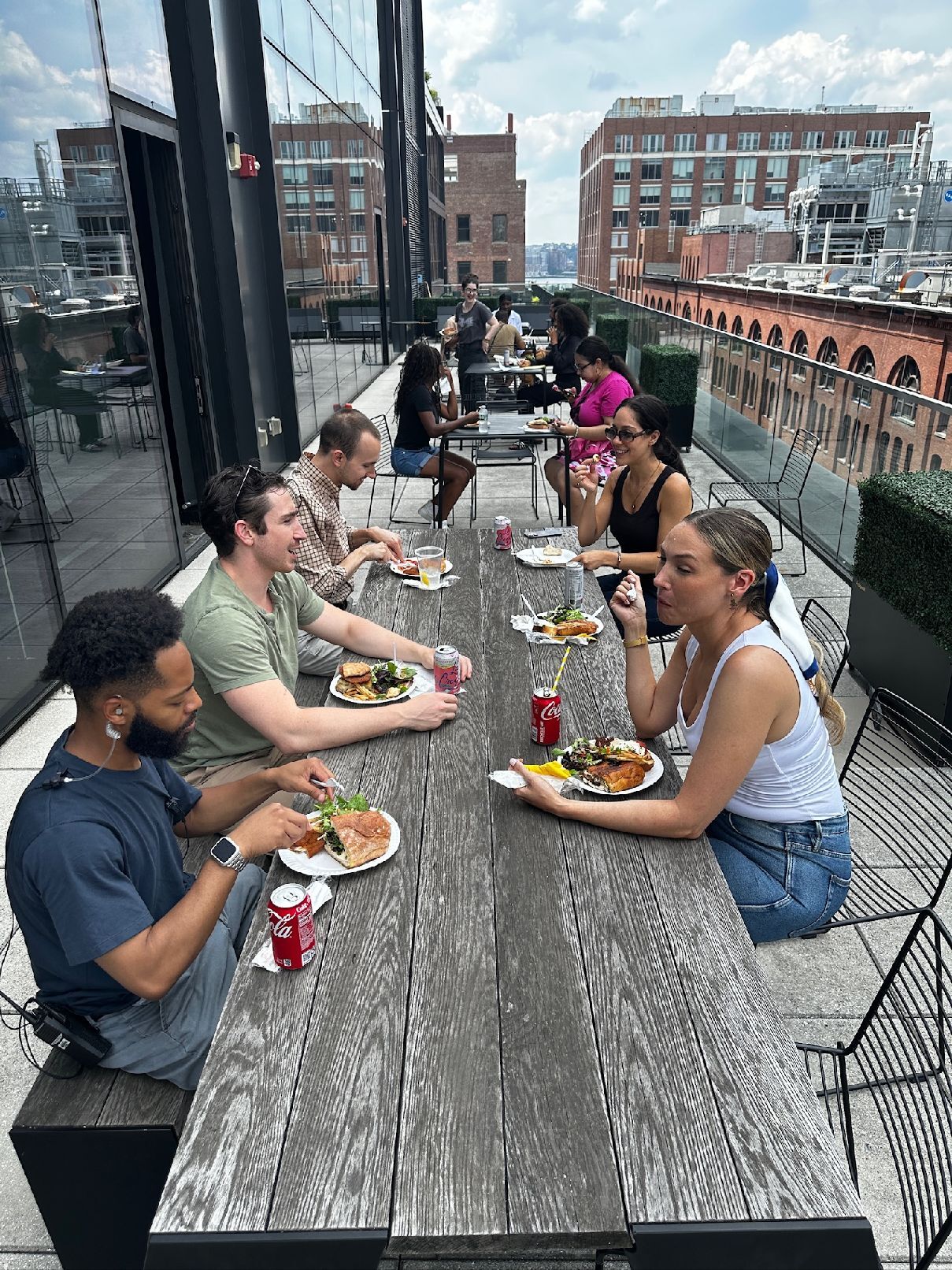
Life is filled with dramatic and reflective moments that are abruptly interrupted by a flash of comedy. A couple can be kissing passionately, and suddenly, one of them farts unexpectedly. A person can pray over a meal and open his eyes to see his toddler eating a fistful of food before the prayer is even over. In my art, I want to show that faith and comedy are not mutually exclusive. Too often, films oversimplify their characters. I think audiences appreciate depth while also getting a nice dose of comic relief. Executing this is the tough part. But it wouldn’t be fun if I didn’t find it challenging.

After nearly a decade working as a software engineer, you moved into screenwriting and filmmaking. What was the biggest challenge in allowing yourself to pursue this new creative path?
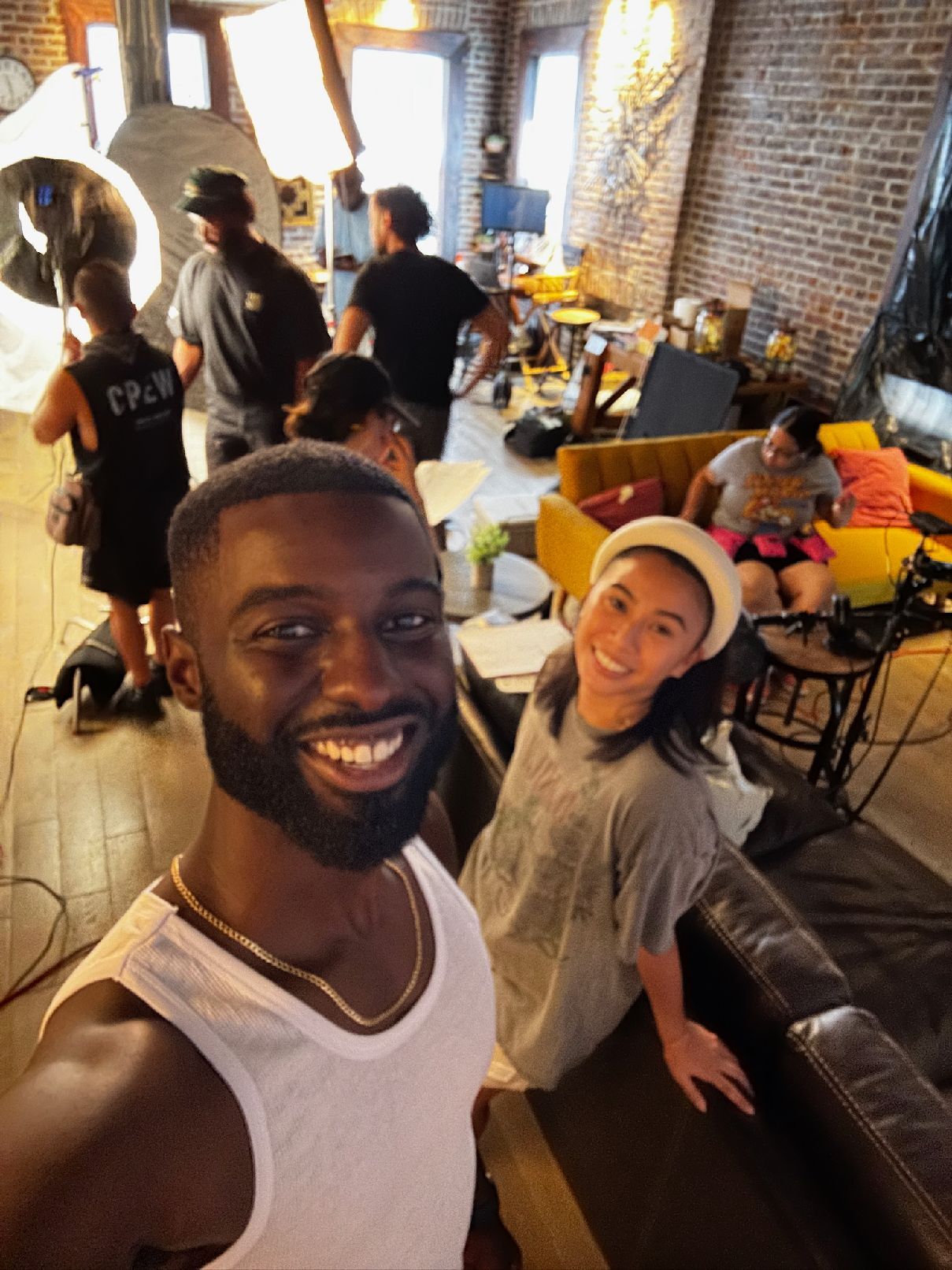
I still work in tech today. The biggest challenge is promoting myself as a filmmaker and putting myself out there. Obviously, social media is a huge vehicle for promotion, so I have had to come out of my comfort zone by promoting my stuff on Instagram, TikTok, and even LinkedIn. Each platform requires a different promotional strategy, and I’ve never felt so exposed.

What is your next project?

My next project is a vertical series titled Abeg! Abeg follows Tolani through the chaotic day after her sister’s wedding. The word “abeg” turns her into her family’s server, bartender, and personal assistant. Trapped in a loop of fake laughter and nonstop demands, Tolani is torn between complying with Nigerian cultural norms and unloading once she finally hits her boiling point. I am really excited about this project! Creatively, this gives me a chance to tell a story from a woman’s perspective. I also get an opportunity to showcase the many idiosyncrasies of Nigerian culture, bringing Nollywood vibes to the vertical screen. It will be filmed for mobile consumption and released on social media platforms (Instagram, TikTok, YouTube). It’s a great opportunity to build an online audience and attract like-minded creatives and executives who are looking for talent.