ICE Movie Awards

THE INTERVIEW

June, 2026

ANNAMARIA BELOKONA

ON THE DECK

BEST SHORT DOCUMENTARY
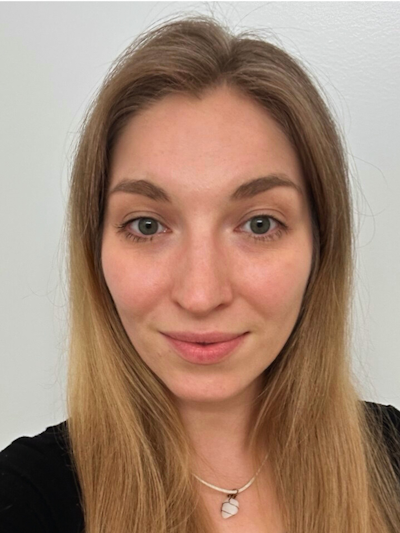
Annamaria, tell us a bit more about yourself. Where does your desire to be a writer come from?
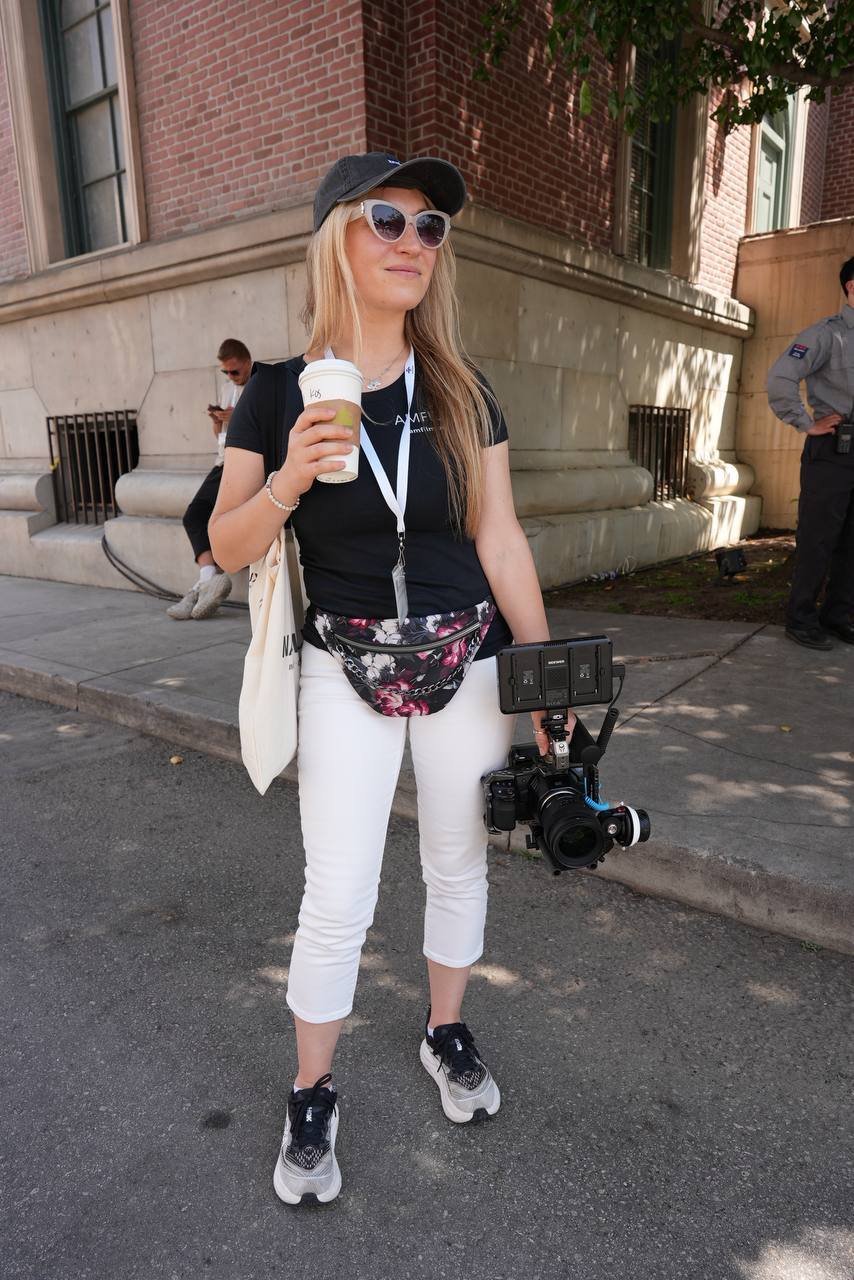
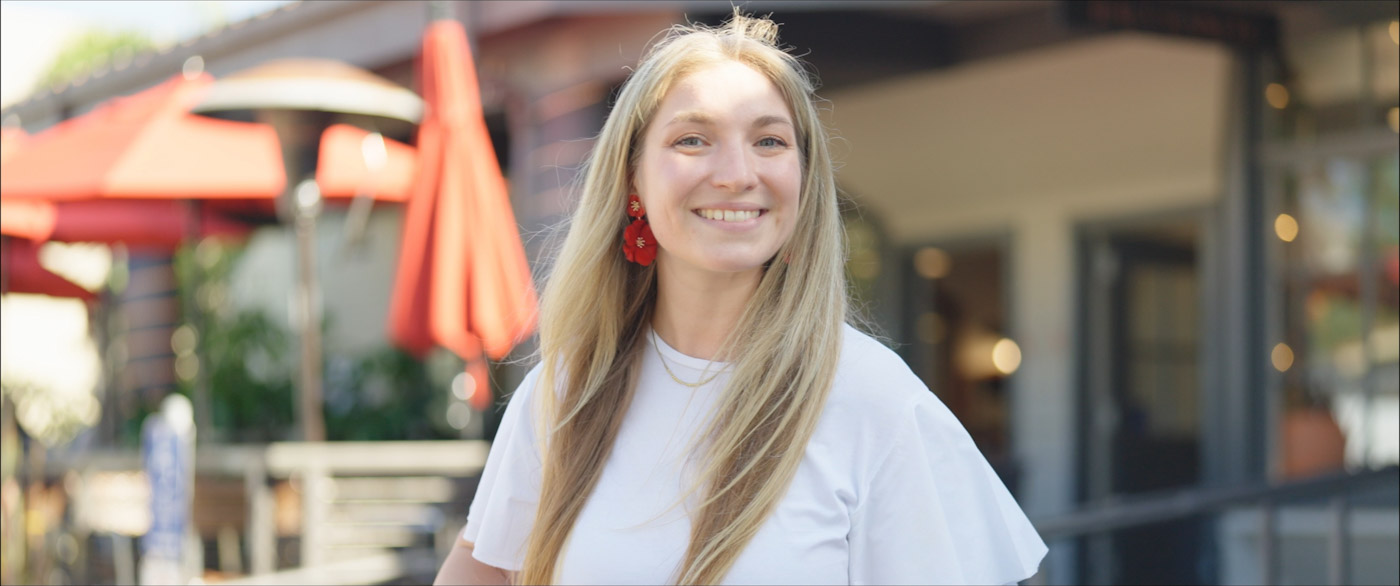
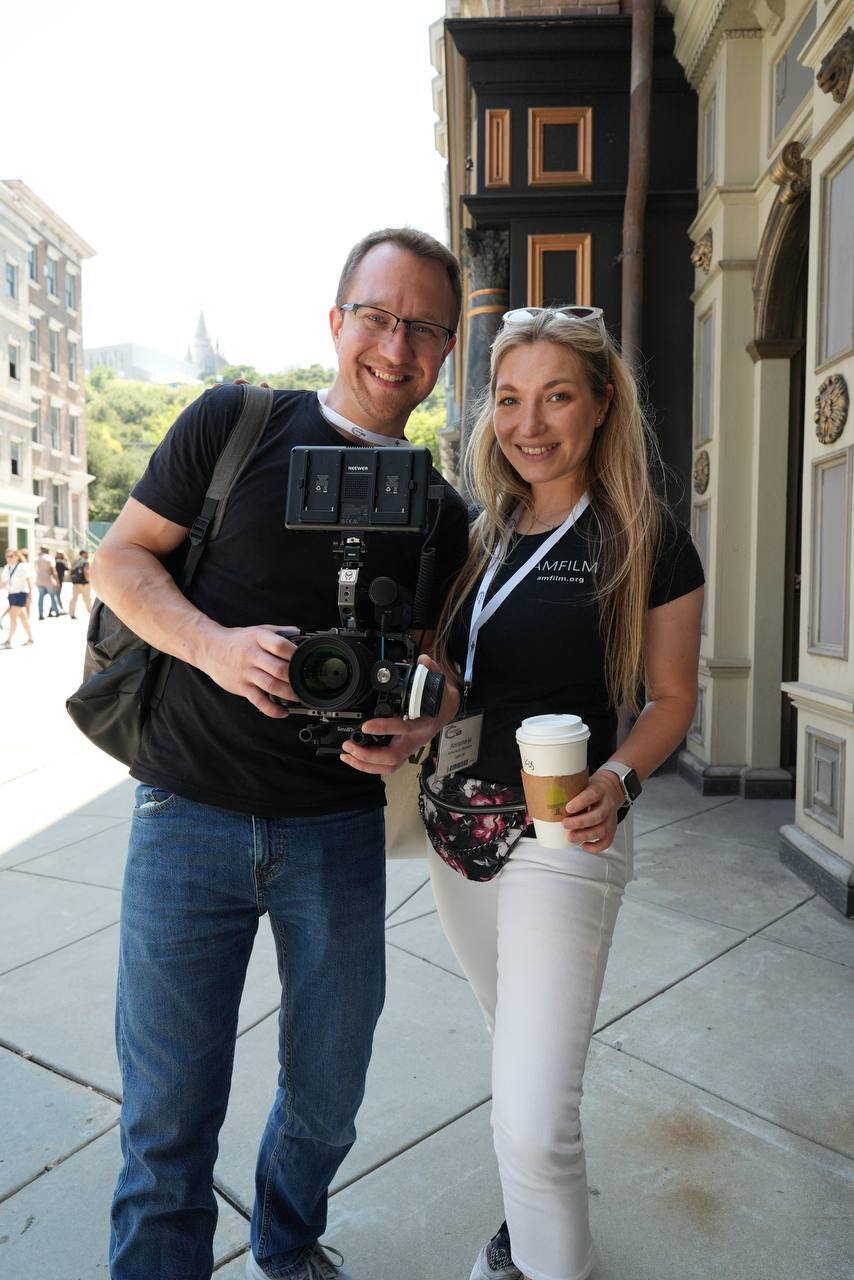
I am a filmmaker, producer, and founder of AMFILM, a video production and storytelling studio based in Santa Barbara, California. Before moving to the United States, AMFILM was a production company in Ukraine, where we created commercials, documentaries, television projects, and branded content for a wide range of organizations and businesses across Ukraine and Europe. In 2019, I received a grant from USAID to create a comedy television show “Startupers” for a regional broadcaster. That project became a turning point in my career. I stepped into the role of showrunner, and it was there that my writing skills truly developed. Working closely in a writers’ room and being mentored by Hollywood producer Adam Sigel gave me a much deeper understanding of story structure, character development, and the collaborative creative process. The show remained on air for two years and became an invaluable professional experience. After that, I continued developing scripted projects, documentaries, and television concepts, receiving additional grants and support for documentary filmmaking. Then the war in Ukraine changed everything. Like millions of Ukrainians, I was forced to leave my home and rebuild my life in a completely new environment. Starting over in the United States was both challenging and transformative. On the Deck became part of that healing process. It documents not only my personal journey but also the rebuilding of AMFILM in a new country. Whether I am directing a commercial campaign, producing a documentary, or interviewing entrepreneurs for my series Backstage Business, I am always searching for stories that reveal something deeper about resilience, purpose, and human connection.

What is your background?

I graduated from the Kyiv National I. K. Karpenko-Kary Theatre, Cinema and Television University in 2013 with a degree in Film and Television Directing. However, my journey into filmmaking began long before graduation. Some of my earliest memories involve filming with my father’s camera when I was five years old. Since then, storytelling through images has never stopped fascinating me. At eighteen, I had the opportunity to work as an extra on a film set. Watching the director at work was a defining moment for me. I remember thinking, “This is exactly what I want to do.” From that point forward, I pursued filmmaking with complete dedication. At nineteen, I began working as an assistant in a local production company producing music videos. Later, I worked as an editor for television entertainment programs, where I learned the importance of rhythm, storytelling, and audience engagement. At twenty-three, I launched my first production company. That was when the real entrepreneurial journey began. We started creating content for businesses, brands, and organizations in Ukraine and internationally. In 2016, I joined forces with several talented cinematographers and producers to build a larger production company. Together, we worked on major commercial campaigns, music videos, documentaries, and television projects. During that time, I had the opportunity to collaborate with leading Ukrainian talents, including world heavyweight boxing champion Oleksandr Usyk, as well as many notable artists, entrepreneurs, and organizations. Looking back, my career has always been a combination of creative storytelling, entrepreneurship, and a desire to build projects that connect people through meaningful stories.
What were your references for On the Deck?
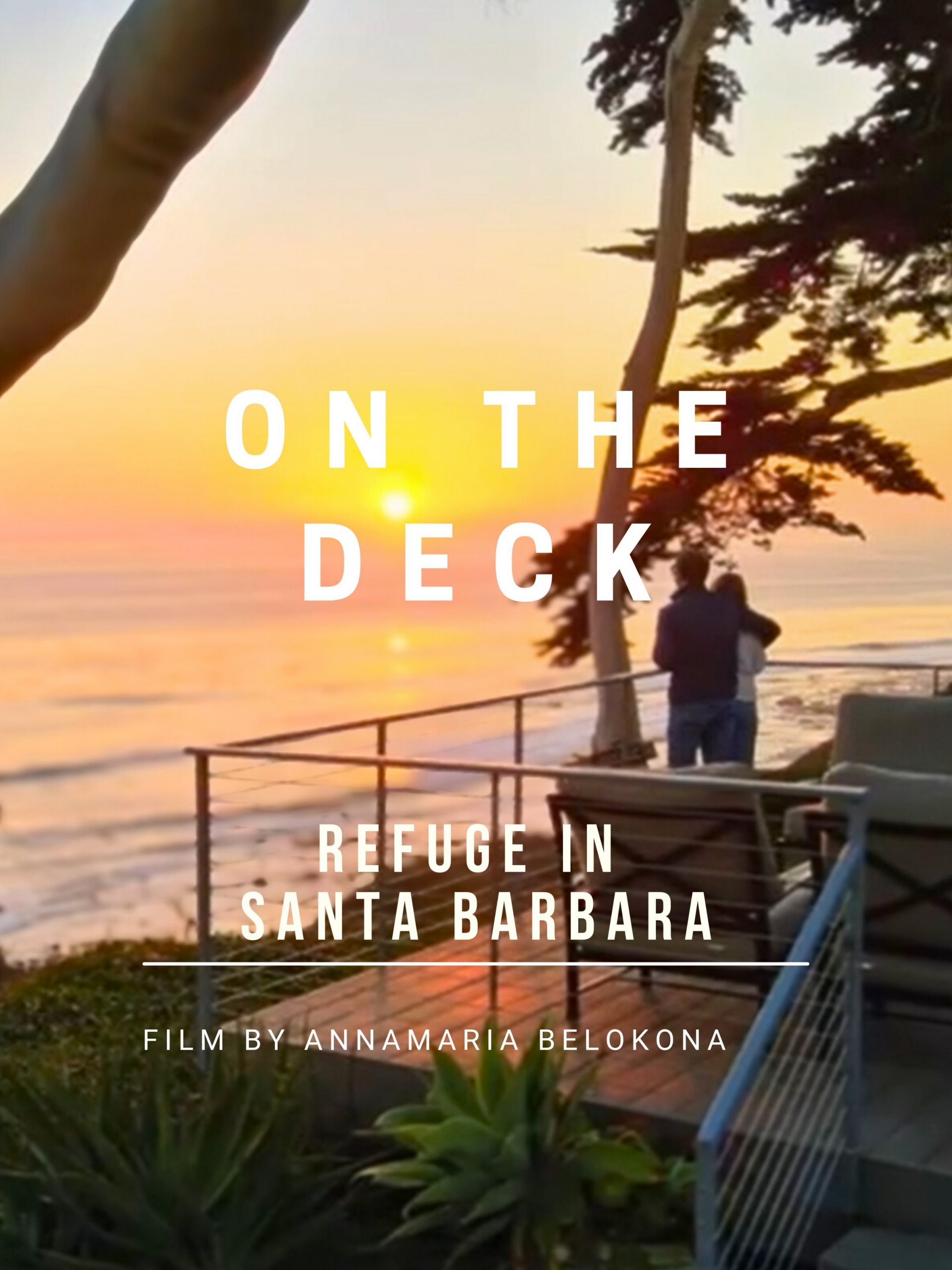
The inspiration for On the Deck came primarily from real life rather than from other films. During a difficult period of transition after relocating to the United States, I found myself spending many evenings on a small deck in Santa Barbara overlooking the ocean. It became a place of reflection, healing, and conversation. Some of the most important discussions of that period happened there. Creatively, I have always admired documentaries that find universal meaning within deeply personal experiences. I am drawn to filmmakers who use intimate stories to explore larger social and human themes. While On the Deck is rooted in my own experience, my goal was never simply to tell my story. I wanted to tell the story of extraordinary people whose kindness helped shape our journey. Through a very personal narrative, I hoped to explore broader themes that resonate with audiences everywhere: the power of community, the importance of human connection, the experience of displacement, and the role that compassion can play in helping someone rebuild their life. Ultimately, the film is less about what happened to me and more about the people who stepped forward to help when everything was uncertain. Their generosity became the heart of the story.
You won Best Short Documentary at the ICE Movie Awards. What does that mean to you?
Receiving the Best Short Documentary award at the ICE Movie Awards is an incredible honor. As an independent filmmaker, recognition from an international film festival is deeply meaningful because it confirms that the story resonates beyond its personal origins. The award belongs not only to me but also to everyone whose kindness helped shape this journey. The film was created with limited resources but with a sincere desire to contribute something hopeful and authentic to the world. Professionally, this recognition motivates me to continue developing documentary projects that explore important human experiences. Personally, it reminds me that stories born from vulnerability can create meaningful connections across cultures and borders.
This film is deeply personal, telling your own experience of displacement and rebuilding a life in Santa Barbara. How did you approach transforming such an intimate story into a documentary?
From the beginning, I knew the film could not simply be a personal diary. The challenge was to identify the universal themes hidden within a very personal experience. Millions of people throughout history have experienced displacement, migration, loss, and the challenge of starting over. While my circumstances were unique, the emotions were not. I focused on those shared human experiences and used my story as a lens through which audiences could reflect on their own lives. The goal was not to tell viewers what happened to me. The goal was to create space for them to recognize something of themselves in the story. I also wanted to shift the focus away from myself and toward the people who became part of our journey. Their experiences, reflections, and willingness to share their perspectives helped shape the documentary into something much larger than a personal story. Through their voices, the film explores deeper questions about belonging, community, and what it means to help another person during a difficult chapter of life.

As both filmmaker and subject, how did you navigate the emotional challenge of documenting your own journey?
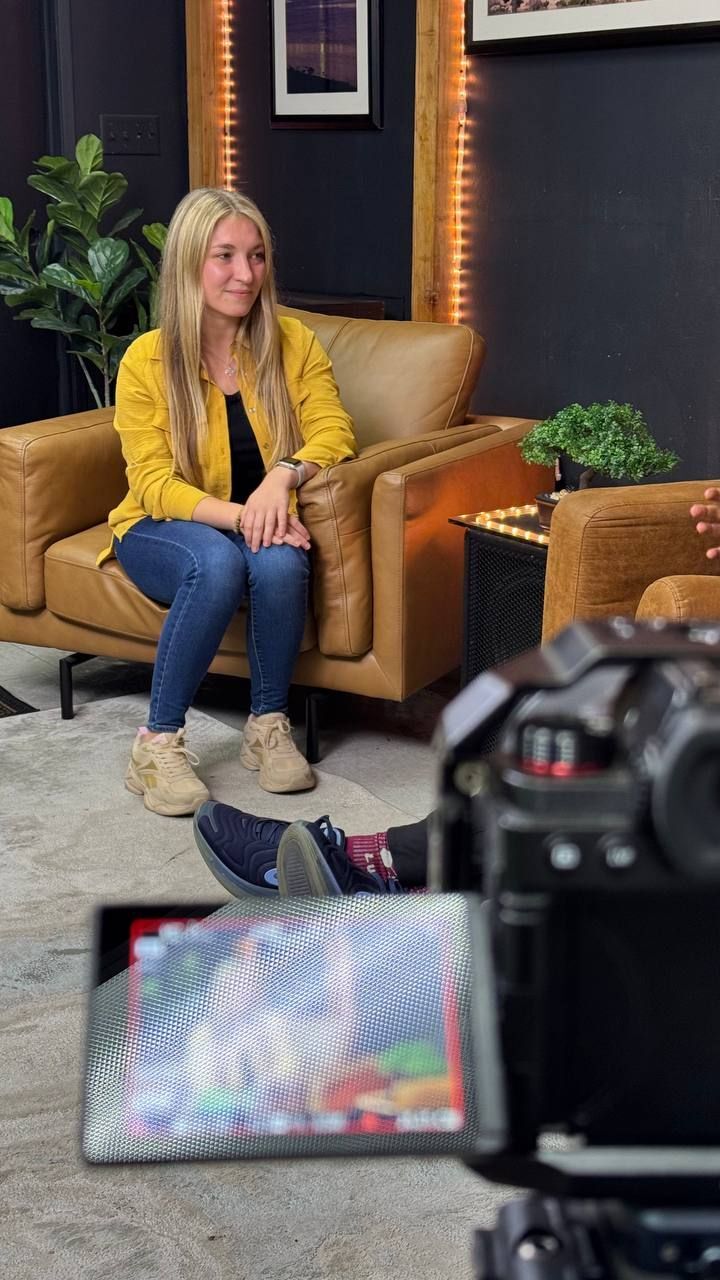
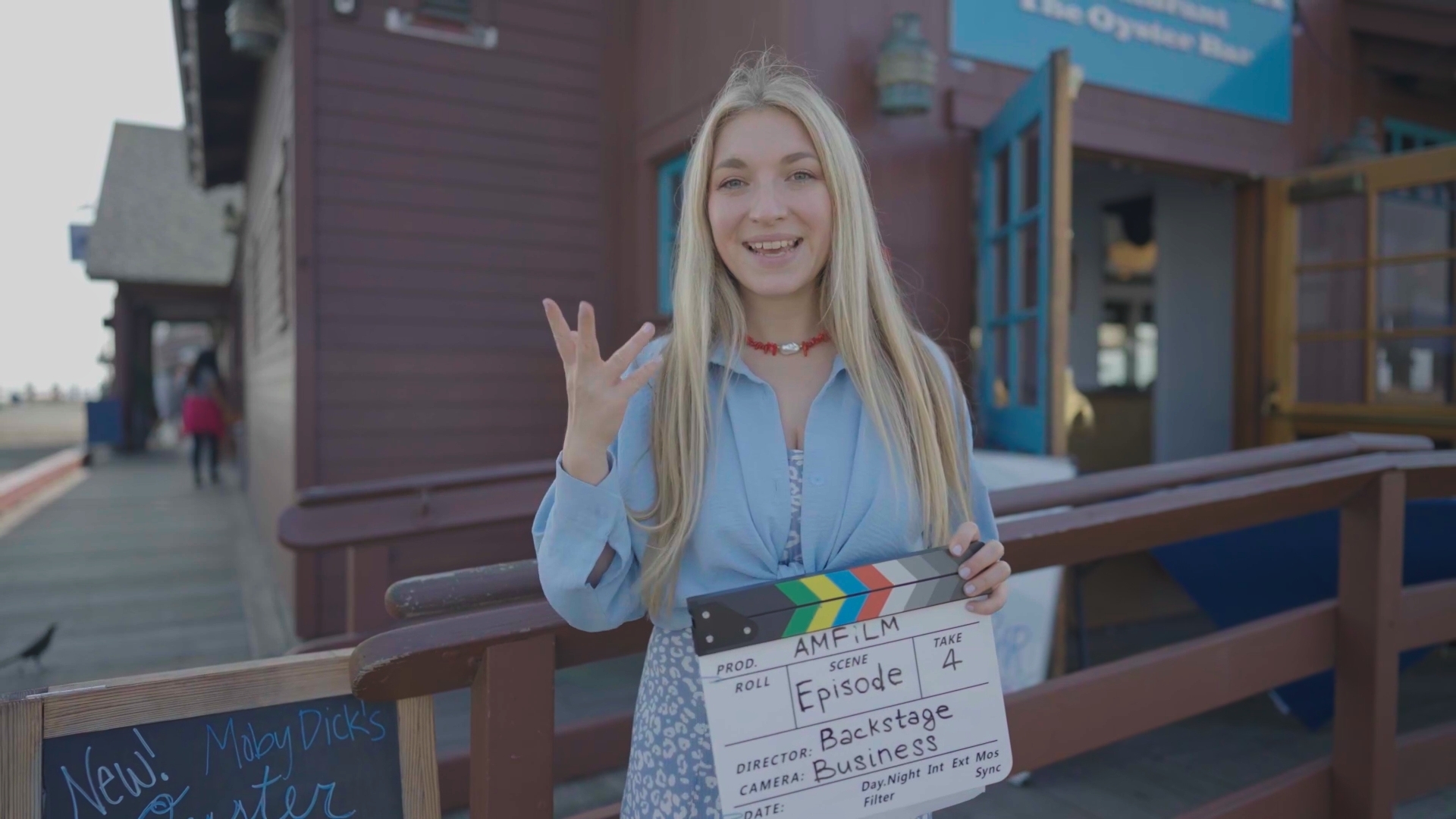
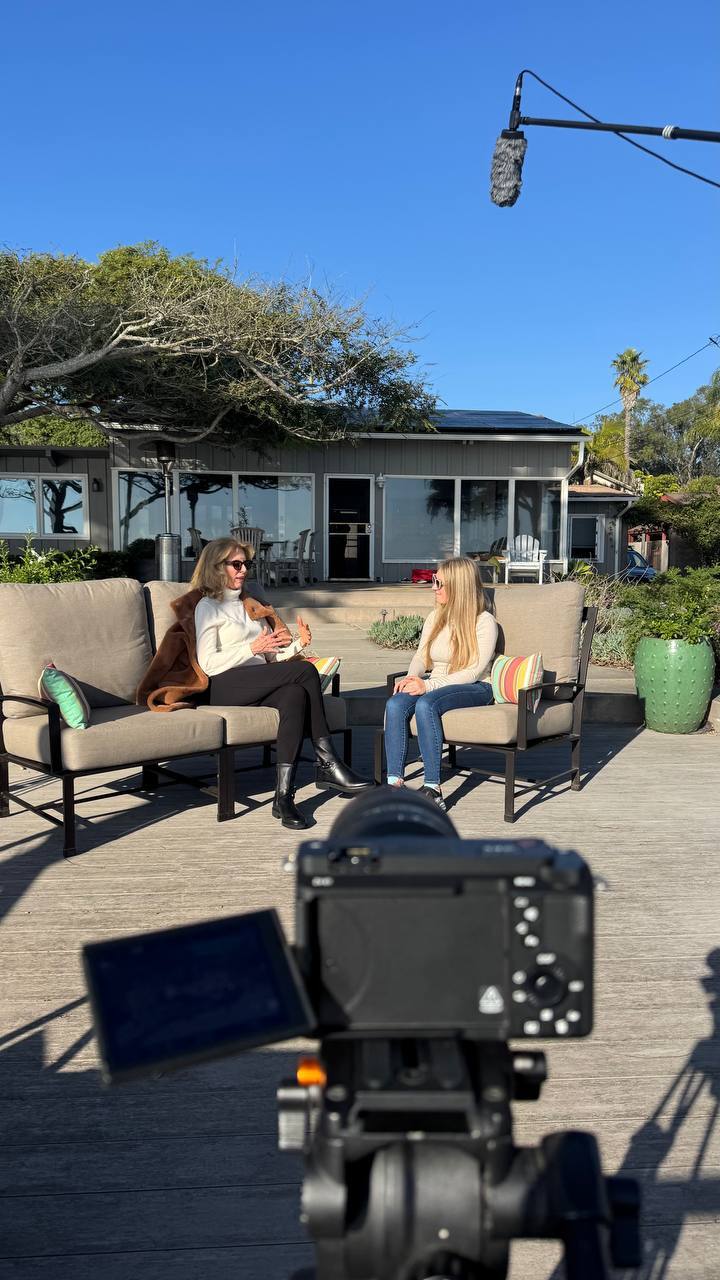
It was one of the most challenging projects I have ever undertaken. As filmmakers, we are accustomed to observing others. Turning the camera toward ourselves was a completely new experience for me. At first, I struggled with the idea of becoming the subject of the story. My natural instinct is to stand behind the camera rather than in front of it. However, I realized that the only honest way to tell this story was to allow myself to be vulnerable. What helped me navigate that challenge was shifting the focus away from myself. Rather than simply documenting my own experience, I concentrated on the people who became part of our journey and on the impact they had on our lives. Interviewing them and hearing their reflections often revealed perspectives that I had never considered myself. In many ways, those conversations became the emotional foundation of the film. They helped me step back from my own experience and understand it through the eyes of others. I believe that approach ultimately made the documentary more honest, more balanced, and more meaningful.
Santa Barbara plays a key role in your story. What makes this place so significant in your personal and creative journey?
Santa Barbara represents a new chapter in my life. It is where I arrived as a newcomer and where I began rebuilding both personally and professionally. What struck me most was the generosity and openness of the community. During a period when many things felt uncertain, I encountered people who offered encouragement, friendship, support, and opportunities without expecting anything in return. Organizations, businesses, and community leaders opened doors that helped us find our footing and begin building a new life. The film is, in many ways, a tribute to those people. It is my way of saying thank you to a community that welcomed us when we needed it most. Creatively, Santa Barbara has also been a tremendous source of inspiration. Its natural beauty, cultural diversity, entrepreneurial spirit, and strong sense of community make it an extraordinary environment for storytelling. In many ways, the city became an important character in the film itself.
How did your background in brand storytelling and commercial production influence your approach to this documentary?
My experience in commercial production taught me how to communicate complex ideas through concise visual storytelling. In brand filmmaking, every image, sound, and narrative choice must serve a clear purpose. I brought that discipline into the documentary process. Rather than relying solely on interviews or exposition, I focused on creating emotional meaning through visual language, atmosphere, pacing, and carefully constructed narrative structure. Commercial work also taught me how to find the essence of a story and communicate it in a way that resonates with audiences. While documentaries offer greater creative freedom, many of the same principles apply. Every scene must contribute to the emotional journey and every storytelling decision must support the larger message. At the same time, documentary filmmaking allowed me to embrace uncertainty and discovery. It became a rewarding balance between professional craft and personal expression.
Do you have an anecdote to share with us in particular?
One thing that surprised me about this film was how quickly it came together. From the initial idea to the completed documentary, the entire project took only about three weeks. I felt a strong urgency to make it while the emotions and memories were still fresh. What made the experience truly special was seeing how willing everyone was to participate. Despite their busy schedules, every person featured in the film found a way to make time for the project. What touched me most was realizing that the same people who had already helped us rebuild our lives were once again ready to help. Their enthusiasm and generosity reminded me why I felt compelled to make the film in the first place. It was a beautiful confirmation that the story was never really about me—it was about the extraordinary people who chose to care.

What is your next project?

At the moment, I study Political Science, with a focus on international politics. I’m really interested in understanding the challenges our world faces. Right now, I’m fully focused on finishing my master’s and giving this year my all. That said, I’ve never wanted to distance myself from the creative side of my life. I’m keeping the future open, and I like to see where opportunities could take me — whether that’s another film, a creative project, or something unexpected. I’m definitely not a professional filmmaker, but in the end, we only regret the chances we didn’t take.